


Can Eco-Friendly Tours Make a Difference in Marine Conservation in Australia?
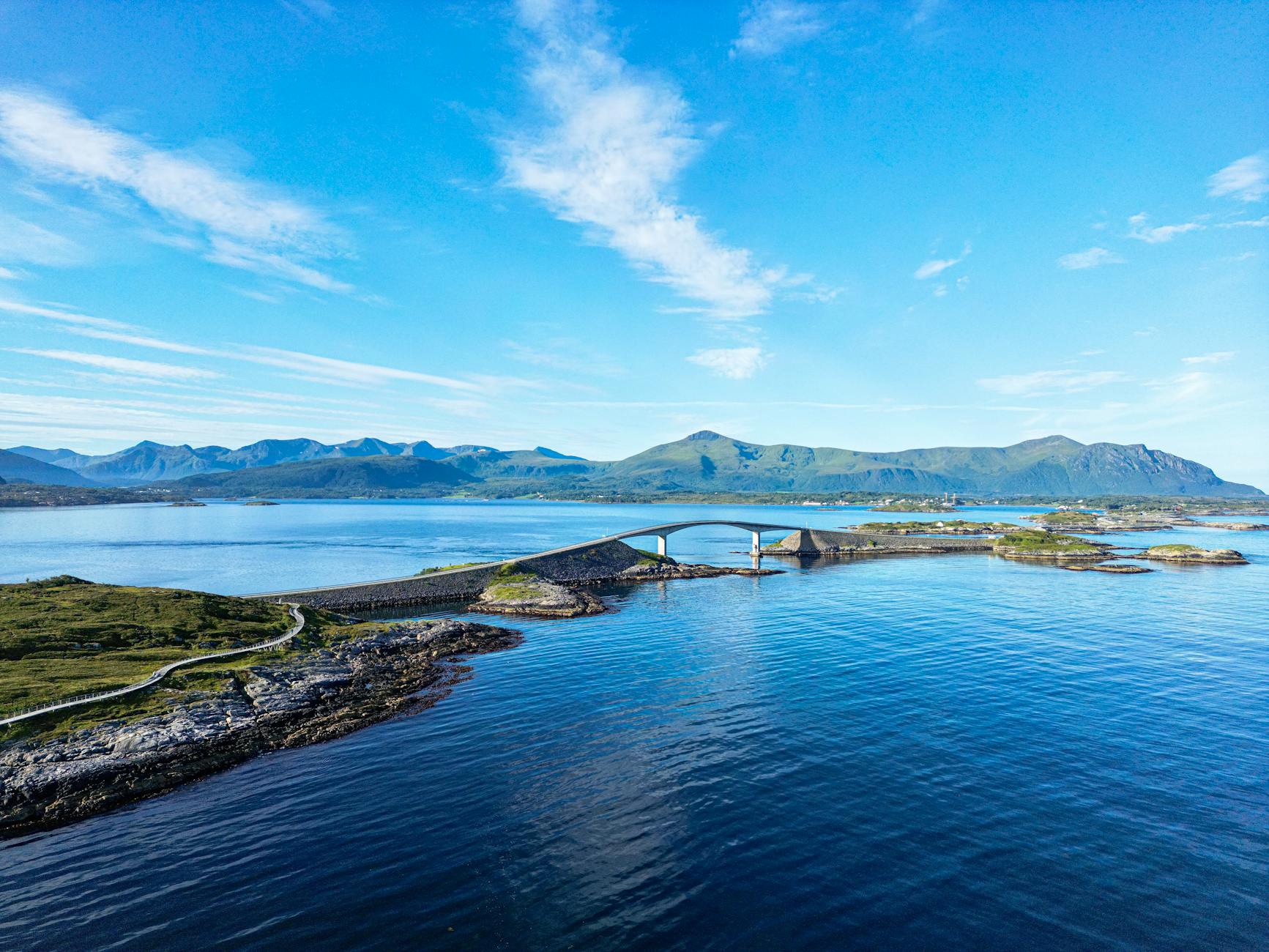
In this section, I’ll guide you through understanding eco-friendly tours, shedding light on how they function and who the key stakeholders are.
Understanding Eco-Friendly Tours
Principles of Eco-Tourism
Eco-tourism hinges on responsible travel practices that aim to conserve the environment and bolster the well-being of local communities. It’s about appreciating natural beauty while ensuring minimal impact. By focusing on sustainability, eco-tourism encourages preserving our precious ecosystems, whether you're exploring the coastal landscapes of Cottesloe Beach or venturing on a Victoria falls safari.
How Eco-Tours Work
Eco-tours are meticulously planned to combine education, conservation, and sustainable travel. For instance, an African safari might include activities that foster a deeper understanding of local wildlife while promoting environmental conservation. The framework of these tours often includes:
- Guided wildlife observation
- Interaction with local conservation projects
- Emphasis on eco-friendly accommodations and practices
Key Stakeholders
Understanding who drives eco-tourism is crucial. Key players include local communities, tour operators, environmental NGOs, and tourists. Communities around eco-tourism hotspots often depend on these tours for their livelihood while contributing to conservation efforts. Tour operators, like those promoting a Namibia safari, design these experiences to educate tourists and generate funds for conservation projects. Environmental organizations also play a significant role by providing necessary resources and expertise.
By appreciating these elements, we can better understand and support eco-friendly tourism, making more informed and impactful choices in our travels.
Marine Conservation Challenges
Environmental Impact
Marine ecosystems face numerous environmental challenges, many exacerbated by human activity. Increased coastal development and habitat destruction have significantly altered marine systems. When visiting places like Penguin Island, it's clear that even beautiful locales aren't immune to these stresses. Additionally, plastics and other pollutants are pervasive, threatening the delicate marine life balance.
Overfishing and Pollution
Overfishing depletes fish populations, tossing the marine ecosystem out of balance. Not only does this reduce biodiversity, but it also disrupts the food chain, affecting all marine life. On a recent trip to Cottesloe Beach, I observed the impact first-hand, where local fish populations once abundant are now dwindling. Pollution further complicates these issues, with heavy metals and toxic chemicals from industrial runoff contaminating our oceans.
Climate Change Effects
Climate change presents one of the biggest threats to our oceans. Rising sea temperatures and acidification intensely affect coral reefs, creating significant conservation concerns. For instance, regions such as Perth see the impact of warming waters directly, affecting fish migration patterns and the health of entire marine ecosystems. Critical actions are needed to mitigate these effects, and awareness raised through eco-friendly tours, such as those that offer opportunities to participate in polar expeditions, can make a difference in educating and empowering individuals.
Understanding these marine conservation challenges is vital to protecting our oceans. The more we know, the better we can contribute to tailored conservation efforts, whether it be through community projects or supporting organisations that offer tailormade South America eco-tours.
Positive Impacts of Eco-Tours
Eco-tours play a significant role in raising awareness about marine conservation efforts. When you embark on Tanzania tours, you're not just exploring a diverse array of ecosystems; you're becoming part of a larger narrative that fosters a deep connection to nature. Similarly, eco-tours in Australia, such as those in our own iconic coastal landscapes of Cottesloe Beach, serve to educate visitors about the delicate balance of marine life and what steps can be taken to preserve it.
Raising Awareness
Eco-tours offer a unique opportunity to educate participants on the significance of marine biodiversity. The hands-on experiences provided by tours, often guided by knowledgeable marine biologists, allow you to understand the critical challenges facing our oceans. This in-depth, practical education fosters a sense of responsibility towards marine conservation.
Funding Conservation Projects
Eco-tours are not just educational; they are a critical funding source for marine conservation projects. The fees collected through Antarctica cruises and local Australian eco-tours often go directly to financing sustainability initiatives. Whether it's preserving coral reefs or conducting marine wildlife research, the economic contributions made by eco-tourists ensure that these projects continue to thrive and expand.
Promoting Sustainable Practices
Participating in eco-tours also promotes sustainable practices both locally and globally. These tours emphasise reducing plastic use, supporting sustainable seafood choices, and leaving minimal footprints on pristine marine environments. For instance, simple actions such as participating in beach clean-ups during your visit to Cottesloe Beach can significantly impact reducing ocean pollution. Learning these sustainable practices first-hand empowers tourists to implement similar actions in their daily lives, expanding the ripple effect of conservation efforts globally.
Incorporating these elements into our travel plans not only enriches our experiences but also ensures that we are actively contributing to the preservation of marine ecosystems.
Best Practices for Eco-Tours
Responsible Tour Guides
Responsible tour guides are fundamental to eco-tourism. They not only share their expertise about local marine ecosystems but also implement guidelines to minimise environmental impact. Additionally, these guides often have certifications or training in marine biology, allowing them to provide valuable insights. Offering tours in environmentally sensitive areas like Penguin Island requires guides to enforce strict no-touch policies and educate visitors about the importance of respecting wildlife habitats.
Waste Management
Effective waste management is another critical component. Eco-tour operators often implement policies to reduce waste generated during tours. Simple practices such as providing reusable water bottles, using biodegradable materials, and ensuring proper disposal of waste can significantly reduce pollution. For example, when visiting the pristine coastal stretches of Cottesloe Beach, visitors can be encouraged to participate in beach clean-ups, making each trip a dual-purpose experience of enjoying nature and contributing to its preservation.
Supporting Local Communities
Supporting local communities strengthens the connection between eco-tourism and sustainable development. Eco-tours that involve local guides, utilise locally sourced products, and engage with community-led conservation projects can make a difference. Tailormade Africa tours often partner with local communities, providing economic opportunities that incentivise conservation. Simple acts like purchasing souvenirs from local artisans or dining at locally owned establishments contribute to the community's wellbeing while ensuring that your travel experiences are both enriching and sustainable.
When planning an Africa safari, choosing operators committed to environmental stewardship ensures that your adventure not only offers unforgettable experiences but also contributes positively to conservation efforts.
Responsible tour guides, waste management, and community support are essential best practices for successful and impactful eco-tours. Employing these practices helps protect marine biodiversity and supports sustainable tourism, fostering a harmonious relationship between visitors and the natural world.
Monitoring Long-Term Impact
Consistent Data Collection
Long-term success in marine conservation hinges on consistent data collection. Programs like those at the marine exhibits at AQWA - The Aquarium of Western Australia regularly monitor marine life health and population trends. By contributing to these data collection efforts, we can track the effectiveness of conservation initiatives and adapt strategies as needed.
Community Involvement
The heart of effective conservation is community involvement. Encouraging locals and tourists alike to participate in citizen science projects can yield invaluable data. For example, when you visit the conservation projects at Penguin Island, consider joining their volunteer programs. These initiatives allow you to partake in hands-on conservation efforts that significantly impact the local ecosystem.
Strategic Partnerships
Collaborating with local institutions and global organizations enhances the reach and efficacy of conservation work. Establishing partnerships between research bodies like the Indian Ocean Marine Research Centre and eco-tour operators ensures a comprehensive approach to marine conservation. This creates a feedback loop where academic research informs tourism practices, and vice versa.
Regular Impact Assessments
Conducting regular impact assessments helps maintain the integrity of eco-tourism ventures. Engage in activities that measure various metrics, including biodiversity health and environmental footprint. Such assessments provide clarity on the long-term repercussions of tourism-related activities on ecosystems, ensuring that they remain beneficial rather than detrimental.
To summarise, monitoring the long-term impact of eco-tours involves a multifaceted approach. Continuous data collection, active community engagement, strategic partnerships, and rigorous impact assessments are pivotal. With these measures in place, we can ensure that eco-tourism contributes positively to marine conservation efforts, allowing future generations to enjoy the pristine environments of places like Cottesloe Beach.